Organic farming is more than just avoiding chemicals—it’s about feeding the soil naturally, boosting microbial life, and growing nutrient-dense crops. Whether you’re a backyard grower or managing a full-scale organic farm, these 10 organic fertilizer methods will help you improve soil health, reduce costs, and increase yield the natural way.
1. Compost (Home or Pile Method)
Composting is the foundation of any organic system. By turning kitchen scraps, dry leaves, and animal manure into dark, rich humus, you create a slow-release fertilizer loaded with beneficial microbes. Use it for beds, fruit trees, and even as a base for potting mix.
Tip: Turn the pile every week and maintain moisture like a wrung-out sponge for fast decomposition.
2. Fermented Plant Juice (FPJ)
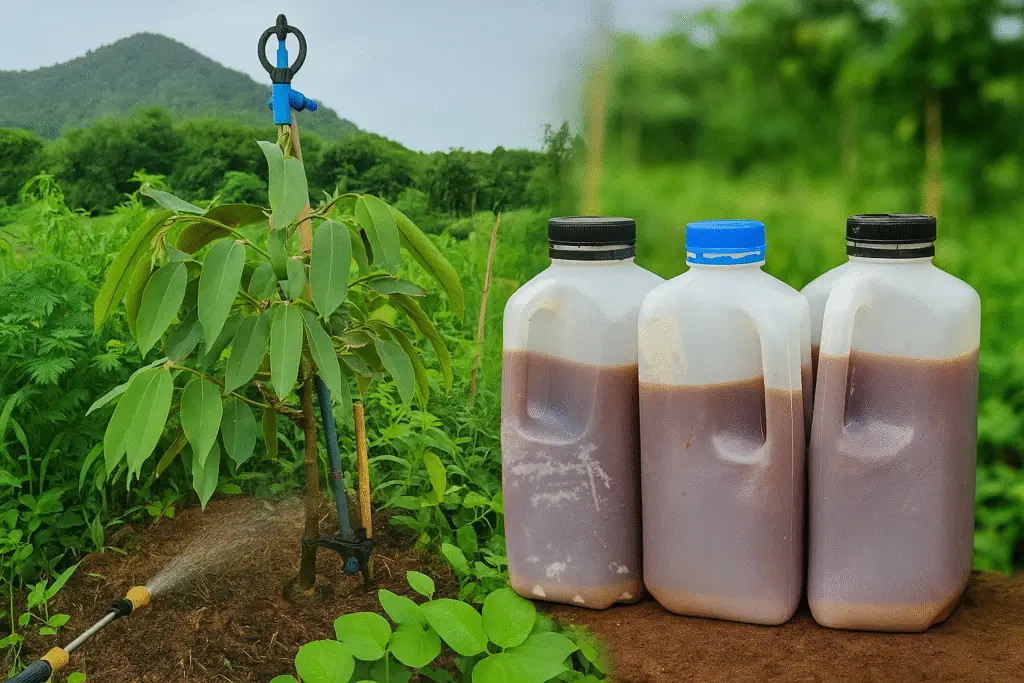
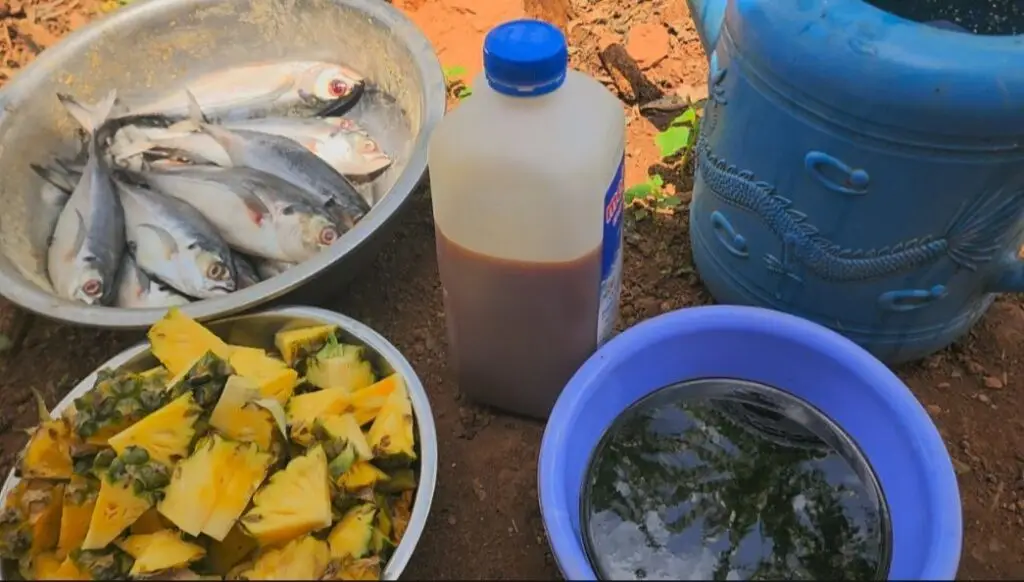
Popular in Korean Natural Farming (KNF), FPJ is made by fermenting soft plant material like sweet potato leaves, banana trunks, or water spinach with brown sugar. After a week, it becomes a powerful liquid nutrient that stimulates growth and feeds soil microbes.
Use Rate: Dilute 1:500 with water and apply weekly as a foliar spray or soil drench.
3. Animal Manure (Aged)
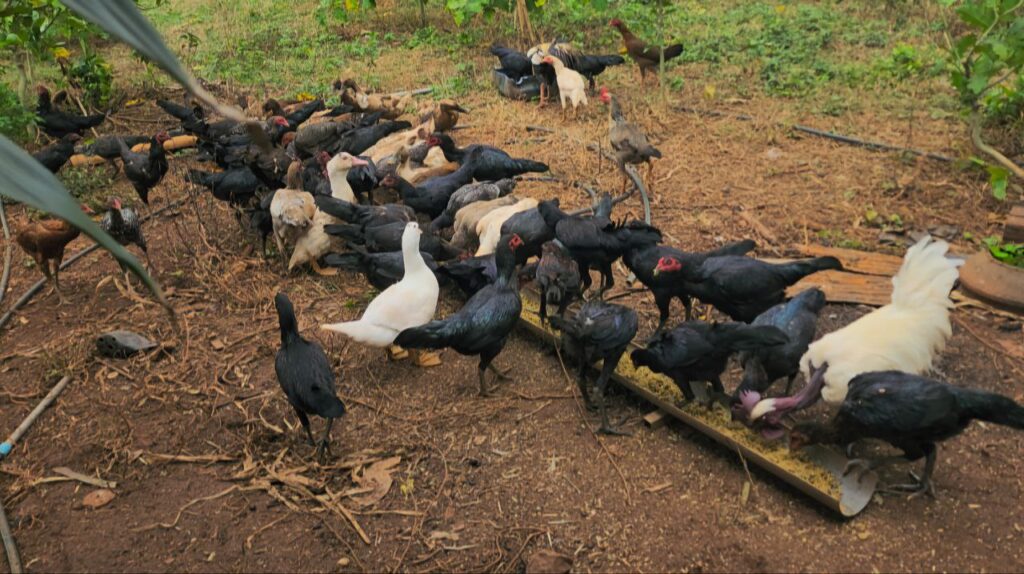
Cow, chicken, goat, and duck manure are high in nitrogen and other nutrients. But never apply them fresh—compost or age for at least 3 months to reduce pathogens and burning risk.
Best Use: Mix into soil before planting or as a topdress in the rainy season.
4. Vermicompost (Worm Castings)
Worms eat organic waste and release castings that are rich in enzymes, microbes, and nutrients. Vermicompost improves seed germination, root growth, and plant resistance.
Bonus: It can be made in a small bin with kitchen waste and red worms.
5. Liquid Compost Tea
Soak finished compost in aerated water for 24–48 hours to extract and multiply beneficial microbes. Apply as a spray to protect leaves from disease and boost growth.
Add-ons: Molasses, fish emulsion, or seaweed can make the tea even stronger.
6. Green Manure and Cover Crops
Plant legumes (like mung bean or sunn hemp) during off-seasons. These plants fix nitrogen from the air into the soil and can be chopped and dropped before flowering to enrich the field naturally.
Benefits: Weed control, erosion prevention, and natural soil structure improvement.
7. Fish Amino Acid (FAA)
Another KNF favorite, FAA is made by fermenting fish waste with sugar for 2–3 weeks. It’s rich in nitrogen and growth hormones.
Use Rate: Apply 1:1000 dilution weekly during the vegetative stage of crops.
8. Banana Peel + Eggshell Fertilizer
A simple DIY fertilizer packed with potassium, calcium, and phosphorus. Dry and crush banana peels and eggshells, then add them to the soil or compost pile.
Good For: Flowering plants and fruit-bearing trees like tomato, papaya, and eggplant.
9. Biochar Charged with Compost
Biochar is charcoal made from crop waste. When charged with compost or microbial liquid, it stores nutrients and enhances soil water-holding capacity.
Long-Term Effect: Increases fertility for years and reduces leaching.
10. Photosynthetic Bacteria (PSB)
PSB breaks down organic matter and fixes atmospheric nitrogen. It also helps reduce foul smells in compost and livestock areas.
Application: Spray weekly on soil and compost; apply to pond water or as foliar spray.
Final Thoughts
Using these 10 organic fertilizer methods not only reduces dependency on chemical inputs but also enhances the health of your soil and ecosystem. Start small—maybe with one liquid and one solid method—and observe the changes in your plant health and productivity.