On our farm, every piece of natural material has value. Nothing is wasted. Even overripe fruits, rice water, and leftover milk become part of a living system that nourishes our trees and feeds our animals. One of the most powerful tools we’ve developed from this idea is a homemade liquid compost — a fermented bio-fertilizer made entirely from ingredients found in the kitchen or garden. This compost isn’t just good for the soil. It also provides a healthy, probiotic-rich feed supplement for our chickens. It’s simple, cost-effective, and deeply in tune with nature.
To make this compost, I start by gathering a few familiar ingredients: one ripe pineapple, cut into small pieces; two combs of bananas with their peels removed; and one glass of rice soaked in water. Only the rice water is used, as it helps introduce natural microbes to the mixture. These fruit materials are packed with enzymes, sugars, and natural minerals that feed beneficial bacteria during fermentation.
Once the fruit ingredients are prepared, I pour ten liters of clean rainwater into a 25-liter bucket. This water is free from chlorine and ideal for microbial growth. Then I add 500 milliliters of EM1, a solution containing effective microorganisms that accelerate the fermentation process. After that, I mix in one liter of molasses, which serves as the main food source for the microbes. Next comes half a glass of yogurt, followed by 200 milliliters of pasteurized milk—both of which are rich in lactic acid bacteria, helping to create a balanced microbial environment in the solution.
All ingredients are stirred gently to blend everything evenly, and then I add the pineapple and banana solids. I make sure to fill only 70 percent of the bucket, leaving space for gases produced during fermentation. The bucket is sealed tightly and stored in a cool, shaded place for about one month. During this time, the mixture will slowly transform. A white layer might appear on the surface—a sign of active yeast or lactic bacteria. As long as the smell is sweet and mildly sour, this indicates a healthy fermentation. After a month, the compost is ready for use.
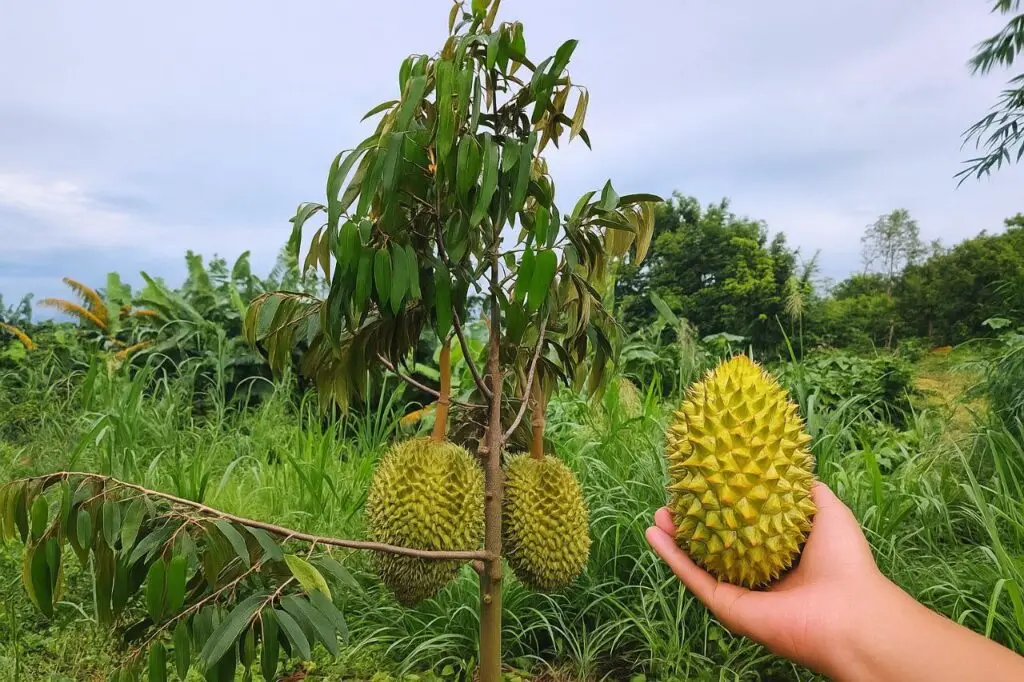
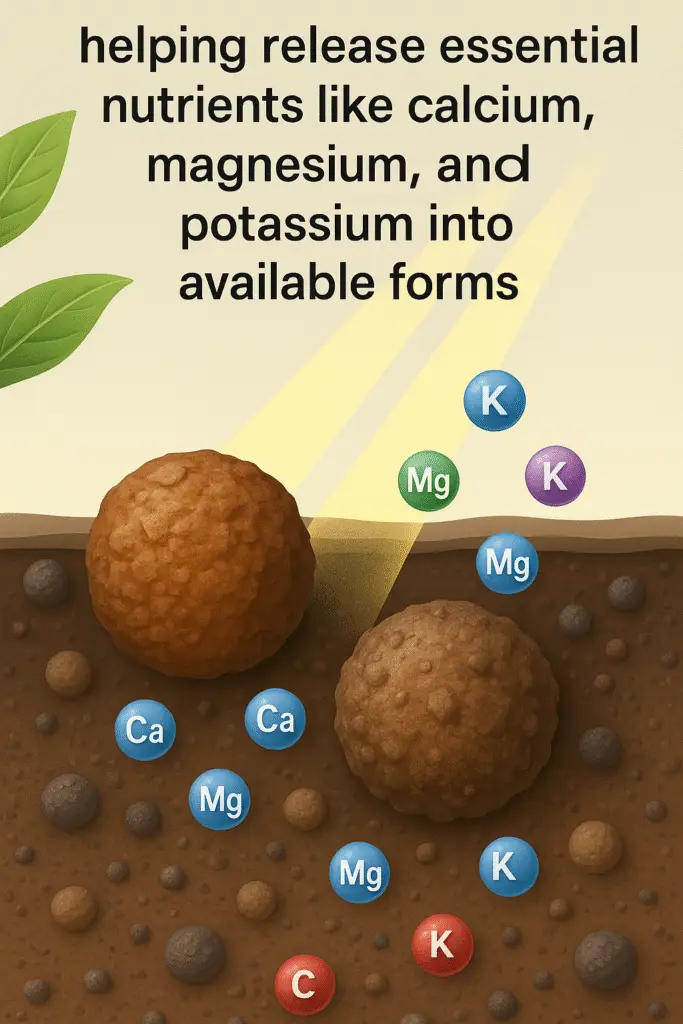
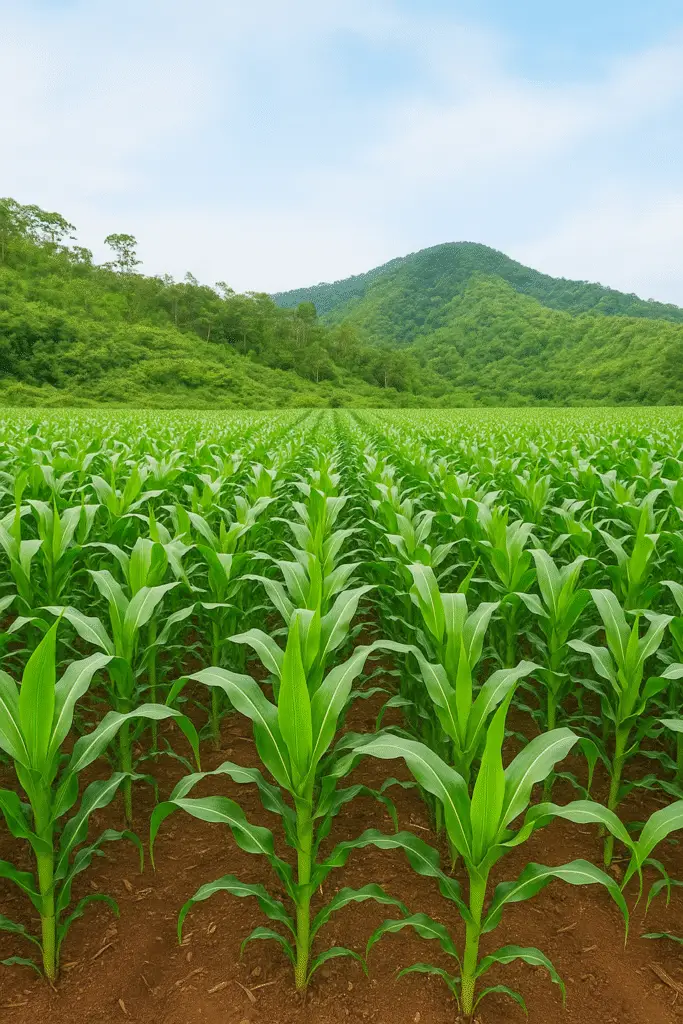
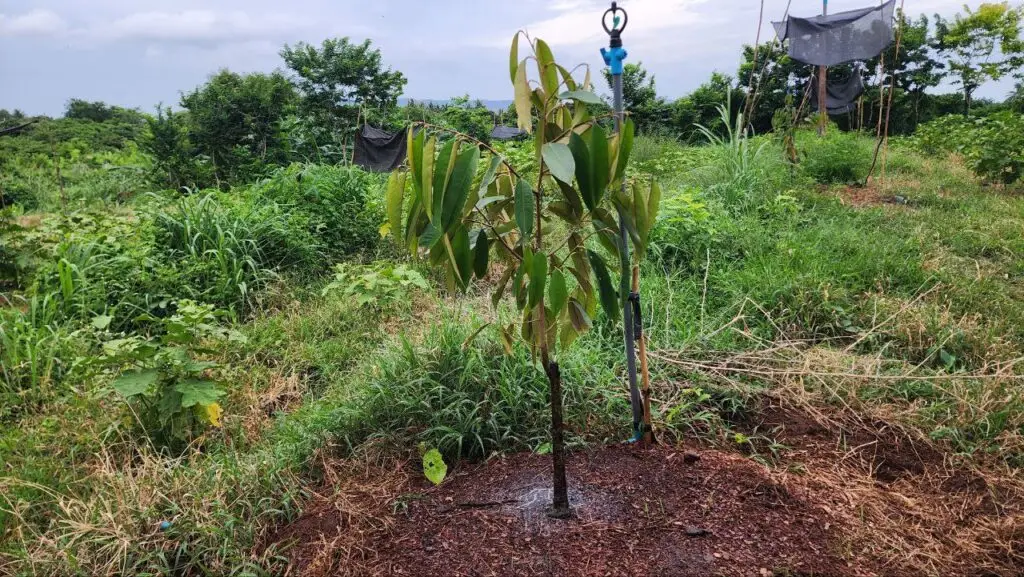
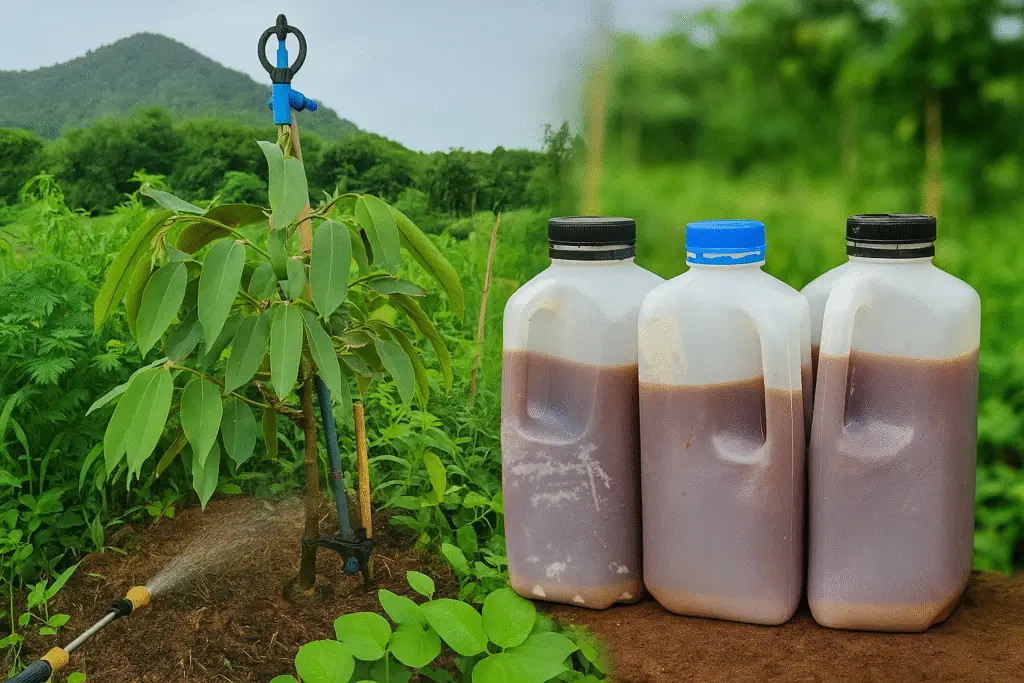
To apply the liquid compost, I first strain it to remove any solid particles. Then I dilute it with clean water at a ratio of one part compost to 20 or even 50 parts water, depending on the crop. The diluted solution can be sprayed directly onto plant leaves and tree canopies during the early morning or late afternoon, or it can be poured onto the soil around the base of the plants. It helps boost microbial activity, improves nutrient uptake, and strengthens plant resistance to disease.
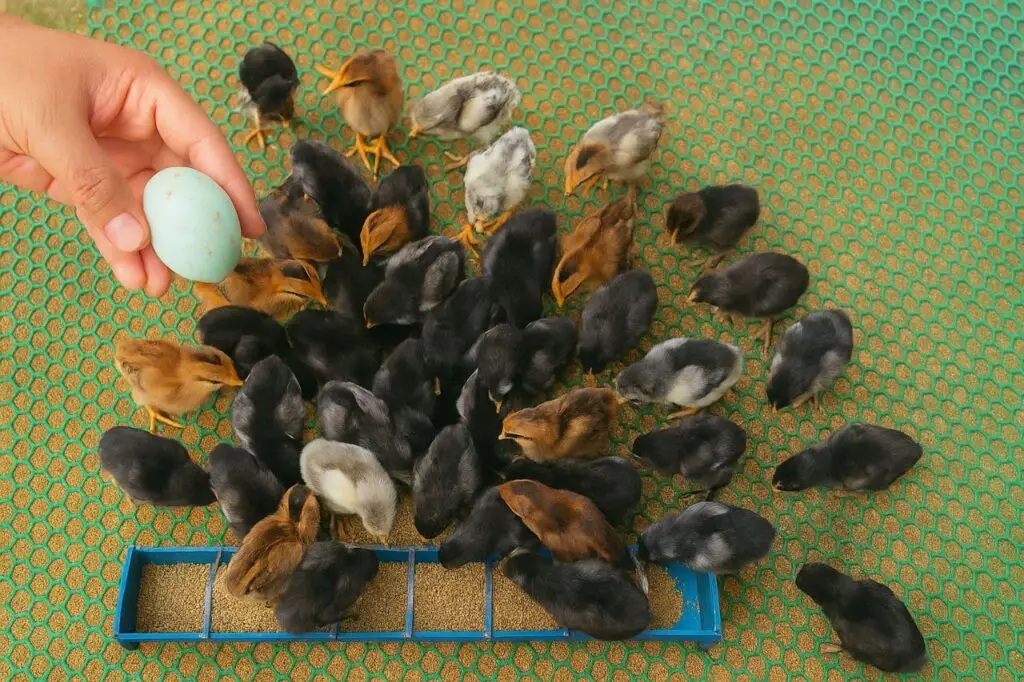
What makes this method even more sustainable is that the leftover solids from the compost—the soft, pulpy “meat” of the fruits—can be fed to chickens and roosters. Rather than throwing it away, I mix it with dry materials like rice bran, chopped banana stem, or maize grain. Given in small amounts every few days, this fermented mixture supports gut health, improves digestion, and enhances the overall vitality of our birds. It even helps with feather quality and egg production.
This entire process represents a closed-loop farming system: fruits feed microbes, microbes feed the soil, and even the byproducts feed the animals. By turning simple, everyday materials into living compost, we’re not only reducing waste—we’re building stronger, more resilient plants and healthier livestock, all while keeping costs low and staying chemical-free.
Nature already knows how to take care of itself. We just need to follow its lead.