When most people think of foraging in the UK, they usually picture nettles or dandelions. However, there’s another wild edible that’s often overlooked—Water Pepper, also known as Persicaria hydropiper.
This plant thrives in damp places. Not only is it edible, but it also delivers a surprisingly spicy kick.
🔍 What Is Water Pepper?
To begin with, Water Pepper is a wild herb that grows in wet ground. You’ll often see it near rivers, ponds, and shaded paths. It belongs to the same family as buckwheat and Japanese knotweed.
Interestingly, it’s not just another leafy green. Instead, it’s one of the few wild plants in the UK that actually burns your tongue—much like chili, though the heat doesn’t last long.
Also Known As:
Smartweed
Water Pepper
Persicaria hydropiper (Latin name)
“Smarts” (in older British texts)
🌱 How to Identify It
If you’re hoping to find this plant, you’ll need to explore areas with consistent moisture. For example, you might spot it along muddy trails or riverbanks.
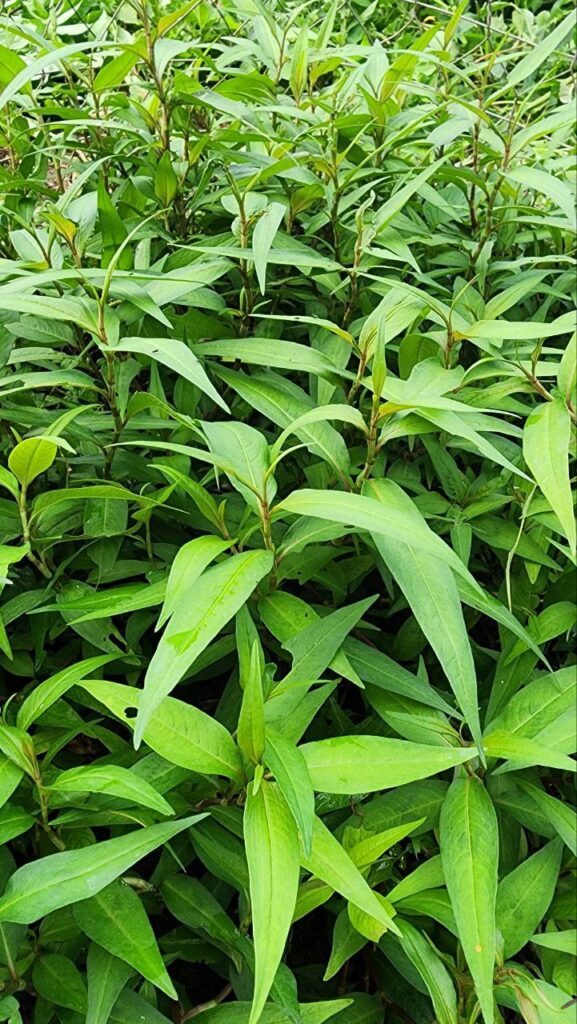
Here’s how to recognize it:
First, look for long, narrow, lime-green leaves
Leaves usually grow in opposite pairs
The edges may have fine hairs
The stem has visible joints and a sheath at each node
Drooping flower spikes appear in summer
⚠️ Tip: To confirm its identity, chew a tiny piece of leaf. If it gives your tongue a burning sensation, you’ve found Water Pepper.
🌶️ What Makes It Spicy?
You might wonder what gives it that sharp heat. The answer lies in a compound called polygodial. Because of this, the leaves and stems taste hot—though only for a few seconds.
Unlike chili peppers, the heat from Water Pepper is quick and clean. Therefore, it’s perfect for adding a fiery note without overpowering a dish.
🍽️ Culinary Uses
Although it’s little-known in the UK today, Water Pepper is well known in Japan. There, it’s used as a traditional seasoning.
People commonly use it in the following ways:
Mixed into soy sauce for extra heat
Sprinkled on grilled meat or fish
Added to soups and stews
Used as a spicy topping for sushi
Brewed into herbal teas
Moreover, you can also dry the leaves and crush them into flakes—just like pepper. They work well on eggs, meat, or even stir-fried greens.
🌟 Try This: Add chopped Water Pepper leaves to your salad for a wild and spicy touch.
🌿 Medicinal and Practical Uses
Besides its culinary uses, Water Pepper has been used in folk remedies. Traditionally, it was believed to:
Reduce swelling
Act as an antioxidant
Help with sleep (based on early animal studies)
Produce yellow dye from its stems
However, these claims need more scientific evidence. Therefore, use it with caution and for enjoyment rather than treatment.
⚠️ Tips for Safe Foraging
Before you head out to harvest Water Pepper, keep the following guidelines in mind:
Always avoid polluted areas or roadsides
Carefully identify the plant—mistakes can be dangerous
Taste a small bit to confirm its heat
Forage responsibly—never take more than you need
Leave enough behind for wildlife and plant regrowth
In addition, make sure local laws allow foraging in your area.
💡 Final Thoughts
In conclusion, Water Pepper is a bold, wild edible that deserves more attention. While it may not be as famous as dandelions or wild garlic, it stands out because of its sharp taste and unique uses.
So next time you’re exploring a damp, shaded trail, take a closer look. With a little luck, you might just find a natural spice growing at your feet.