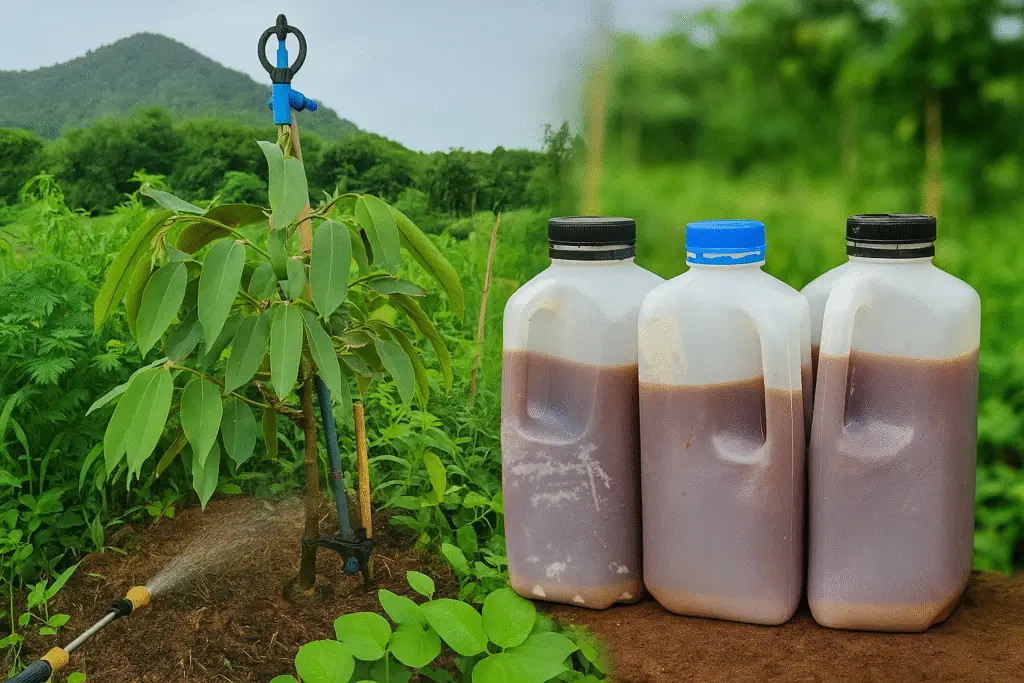
In the world of chili farming, fertilizer choice can make or break your yield. Many growers wonder — can a natural, homemade fertilizer compete with the performance of commercial NPK formulas like 16-16-16?
To find out, I decided to run a simple but meaningful AgriBuzz experiment comparing both fertilizers side by side under the same growing conditions.
🌱 Setting Up the Experiment
I started by selecting two healthy hot pepper seedlings of the same variety and size. Both were planted in poly bags filled with an equal mix of topsoil, compost, and rice husk for good drainage.
To ensure fairness, both plants were placed side by side — receiving the same amount of sunlight, water, and temperature throughout the trial.
The only difference? One plant would receive a 16-16-16 balanced fertilizer, while the other would be nourished with a fermented egg-based fertilizer I made at home.
🥚 How I Made the Fermented Egg Fertilizer
This natural fertilizer formula is simple and rooted in traditional Korean Natural Farming (KNF) methods. Here’s how it’s done:
Ingredients:
2 whole eggs (with shells, for calcium)
2 tablespoons of molasses
1 cup of rice washing water
50 ml of fermented plant juice (FFJ or FPJ)
All ingredients were mixed thoroughly in a clean container, then left to ferment for 7 to 10 days. Once the mixture developed a mild sour smell, it was ready to use.
This blend provides natural nitrogen, calcium, and beneficial microbes, making it excellent for early vegetative growth and soil health improvement.
🌾 Applying the Fertilizers
Both chili plants were watered equally and fed every 10–14 days.
The first plant received 16-16-16 NPK fertilizer, dissolved in water before application. This formula provides a balanced mix of Nitrogen (N) for leaf growth, Phosphorus (P) for strong roots and flowering, and Potassium (K) for fruit quality and disease resistance.
The second plant received the fermented egg fertilizer, also diluted in water before application. This natural blend nourishes the plant gently while improving soil microbial life.
🌿 Observation and Growth Stages
In the first two weeks, both plants looked almost identical — green, sturdy, and growing steadily. But around the third week, differences began to appear.
The 16-16-16 plant started showing faster leaf expansion, thicker stems, and earlier flower buds. By the fifth week, it had clearly taken the lead — with more flowers and developing fruits.
Meanwhile, the fermented egg plant remained healthy but smaller, with fewer fruits and slower flowering.
🔍 Understanding the Results
The outcome of this experiment highlights one key fact: Nutrient balance matters.
The fermented egg fertilizer mainly provides nitrogen and calcium, which are great for leaf and stem growth. However, it lacks sufficient phosphorus and potassium, which are essential for flowering and fruiting.
On the other hand, the 16-16-16 fertilizer delivers all three macronutrients in a balanced ratio, ensuring that the plant can grow, bloom, and fruit efficiently.
This is why the 16-16-16 plant outperformed in both fruit quantity and size, while the fermented egg-fed plant showed slower fruit development.
🌼 Combining Natural and Balanced Nutrition
While chemical fertilizers give quick and visible results, natural fermented fertilizers improve soil health and microbial activity over time.
The best approach is not to choose one over the other, but to combine them strategically:
✅ Use fermented egg or plant juice fertilizers weekly to feed beneficial microbes. ✅ Apply small doses of 16-16-16 once or twice a month to supply balanced macronutrients.
This hybrid method keeps the soil alive while ensuring your plants get what they need to produce abundant, high-quality fruits.
💡 Final Thoughts
This simple chili fertilizer test showed that while fermented egg fertilizer alone can sustain growth, it cannot fully match the balanced power of 16-16-16 for fruit yield.
However, when used together, they create a powerful system — natural nutrition for soil health, and balanced minerals for strong production.
So next time you grow chilies, remember: Healthy soil + balanced nutrients = strong plants and spicy harvests! 🌶️🌿
📺 Watch the Full Video on AgriBuzz
🎥 “16-16-16 vs Fermented Egg Fertilizer – The Hot Pepper Experiment”