Hot Pepper Fertilizer Experiment: Testing Fermented Eggs Against Chemicals
Which One Works Better?
Many gardeners believe cracking eggs and burying them directly in the soil can boost plant growth. But is it really effective — or even safe?
In this experiment, we tested two different fertilizing methods on hot pepper plants to see the real results.
Preparation: Setting Up the Experiment
We selected two healthy hot pepper seedlings of similar size and transplanted them into poly grow bags with the same soil mix.
To help the plants adjust after transplanting, we pruned the lower leaves and removed the tip shoots. Both plants were left for three days to recover and establish new shoots before starting the fertilizer application.
Why We Don’t Use Raw Eggs Directly in Soil
Burying raw eggs straight into the soil may sound natural, but it has several problems:
Slow decomposition — nutrients release too late to benefit plants.
Foul smell — decomposing eggs can cause bad odors.
Attracts pests — like rats, dogs, or even snakes.
Risk of harmful bacteria — such as salmonella, which may stay in the soil.
Instead of risking these issues, we chose a safer, more effective method: fermentation.
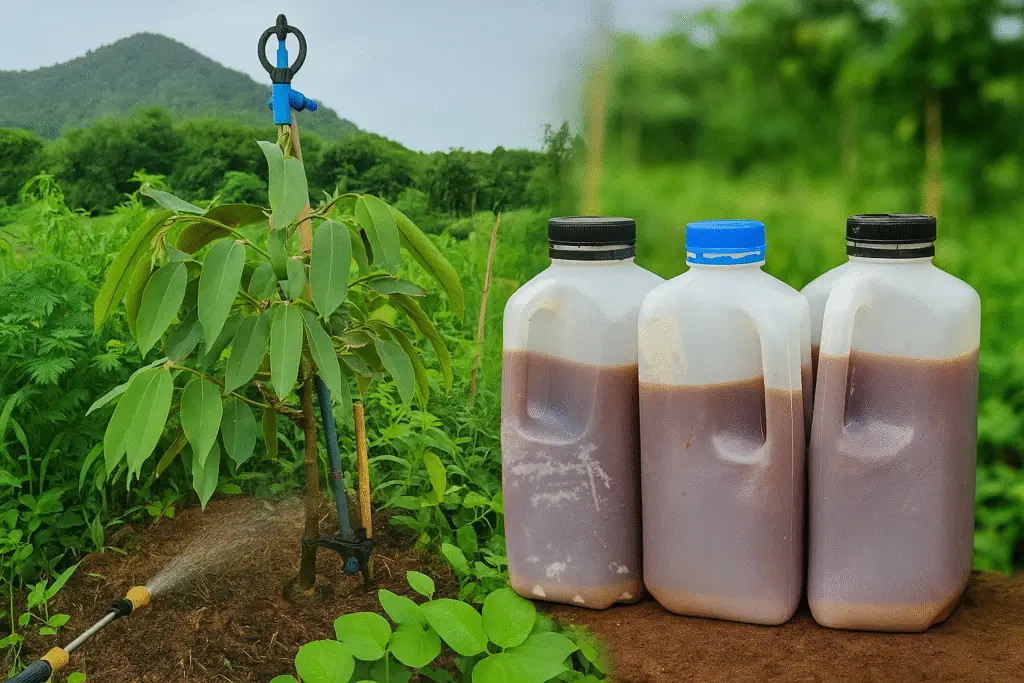
Our Fermented Egg-Based Liquid Compost
We made a nutrient-rich liquid compost by fermenting the following ingredients:
2 eggs
5 tablespoons of molasses
500 ml of rice water
200 ml of Fermented Fruit Juice (FFJ)
This mixture is fermented to make nutrients more bioavailable and safe for the plants.
Fertilizer Application After Three Days
After three days of recovery, both pepper plants showed signs of new growth.
We started the experiment with two treatments:
Plant A — received chemical fertilizer (16-16-16).
Plant B — received our fermented egg-based liquid compost.
Stay Tuned for Weekly Updates!
We’ll monitor plant growth, leaf development, and overall health. Which one will perform better — the chemical fertilizer or the natural egg-based compost?