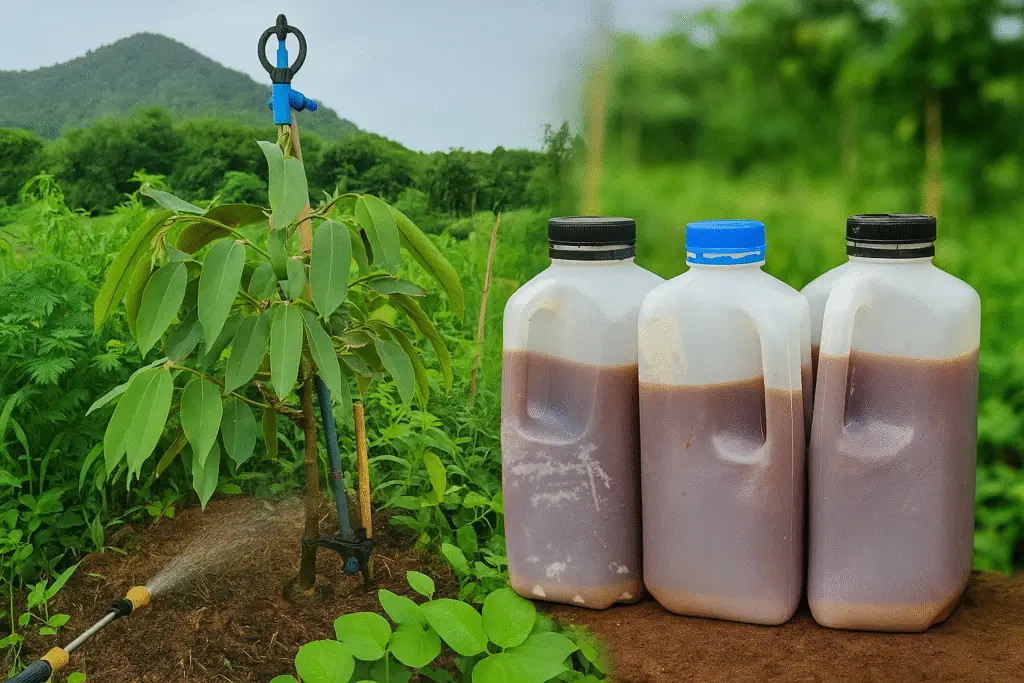
Introduction
If you’re looking for a productive and profitable crop, eggplant (also known as brinjal or aubergine) is a top choice. With proper care, farmers can harvest up to 40 tons per half hectare. In this guide, you’ll learn how to grow eggplant from seedling preparation to harvest—including fertilization, pest control, and watering techniques—to help you achieve healthy growth and high yield.
Step 1: Prepare the Seedlings (30 Days)
Start by preparing your eggplant seedlings early. Use seedling trays or nursery beds, and grow them in a controlled environment for at least 30 days before transplanting. This ensures strong root development and better survival in the field.
Step 2: Land Preparation and Irrigation Setup
Before planting, enrich the soil by spreading cow and duck manure across the plot. Plough the area thoroughly with a tractor to loosen the soil and incorporate organic matter.
Install your irrigation system:
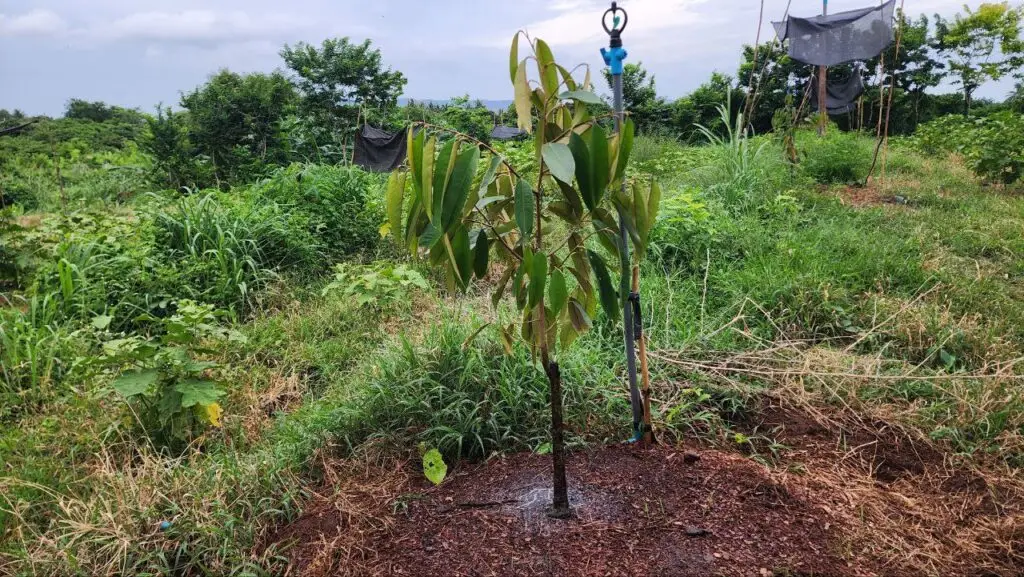
Drip irrigation: Delivers precise water at root level, saves water.
Sprinkler system: Covers wide area, ideal for sandy or mixed soils.
Step 3: Spacing for Healthy Growth
Use proper spacing for airflow and light penetration:
This spacing reduces disease risk and boosts fruit quality.
Step 4: Soil Fertilization Plan
Nutrient-rich soil is key to high-yield eggplant farming. Follow this eggplant fertilization schedule:
1 Week After Transplanting:
Apply a small pinch of 16-16-16 NPK fertilizer mixed with humic acid near each plant base. This encourages root growth and early development.
At Fruit Initiation:
Mix 15-0-0 (Calcium Nitrate) and 16-16-16 to support strong, healthy fruit formation.
After Each Harvest:
Fertilize again with 16-16-16 to replenish nutrients and stimulate continuous fruiting.
Step 5: Foliar Fertilizer Application
Support leaf health and flower quality with weekly foliar sprays:
30-10-10 NPK (for early vegetative stage)
Amino acids (for stress resistance)
Calcium + Boron (to prevent blossom-end rot)
Atonik (a plant growth enhancer)
Spray during early morning or late afternoon for best absorption.
Step 6: Pest Control for Eggplant
Eggplants attract common pests, but proper management protects your crop:
Thrips (Thrips palmi):
Whiteflies:
Caterpillars:
Regular monitoring and rotation of pesticides help prevent resistance.
Step 7: Watering Guidelines
Consistent watering is vital, especially during flowering and fruiting.
Sprinkler system: Water for 15–20 minutes each evening
Drip irrigation: Allow 30 minutes per day
Adjust based on weather—skip watering during rainfall
Step 8: Harvesting and Yield Expectation
Start harvesting 2 months after transplanting. Pick fruits every 3 days to maintain quality and boost plant productivity.
A well-managed half-hectare plot can yield up to 40 tons during its lifecycle—making eggplant one of the most rewarding vegetable crops for small to medium-scale farms.
Conclusion
Eggplant farming is not just simple—it’s smart, scalable, and profitable when done right. By following this step-by-step eggplant growing guide, you can optimize your field preparation, irrigation, pest control, and fertilization routines for maximum yield. Start strong with healthy seedlings, nourish your soil, and protect your crop—and you’ll be harvesting abundant, market-ready eggplants in no time.