Fermented Fish-Pineapple-Molasses Feed for Chickens: A Natural Boost for Growth and Health
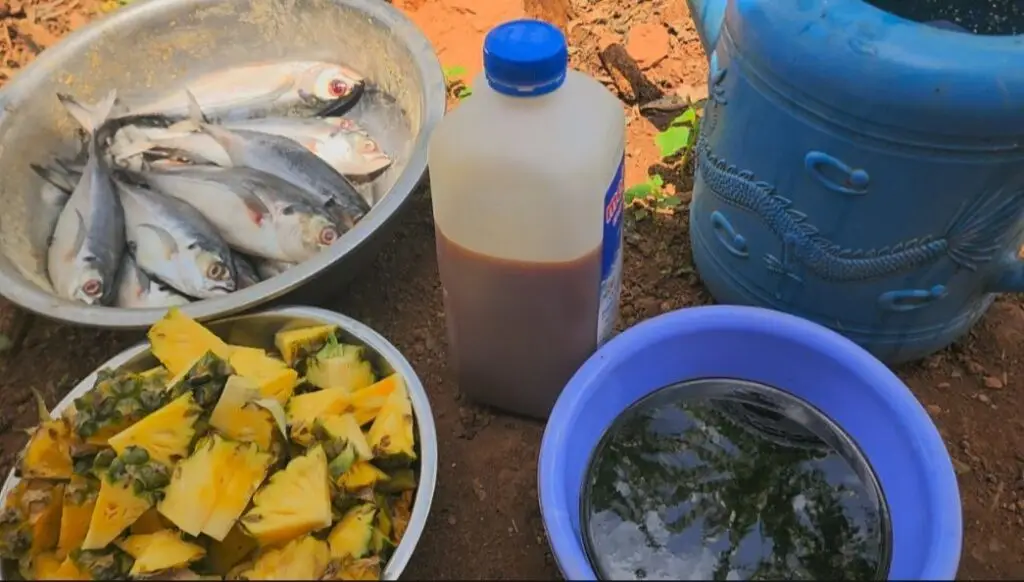
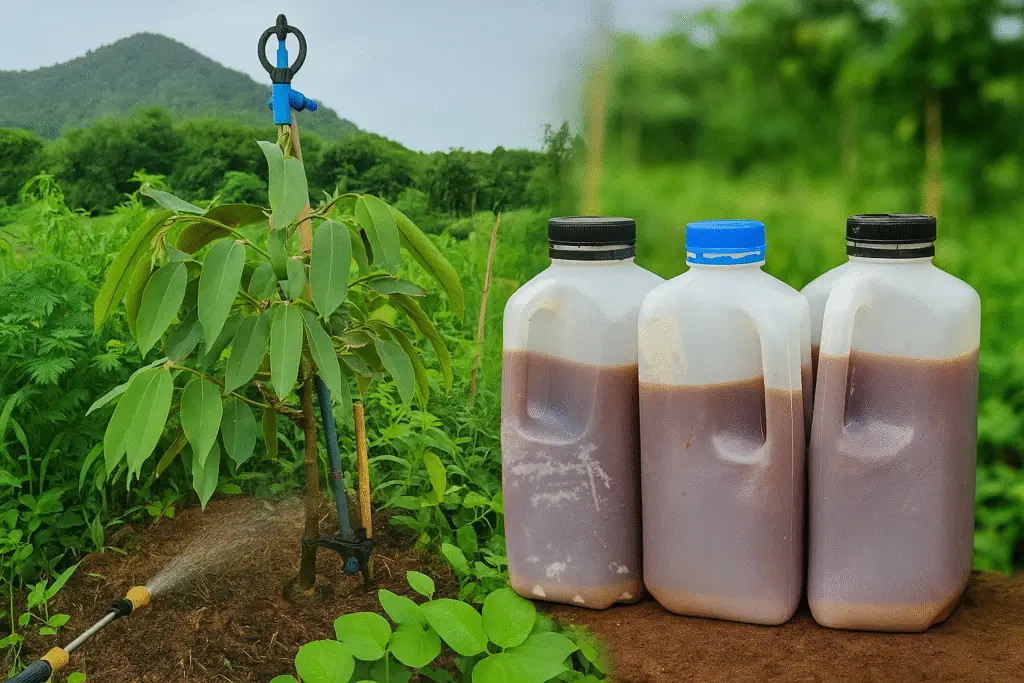
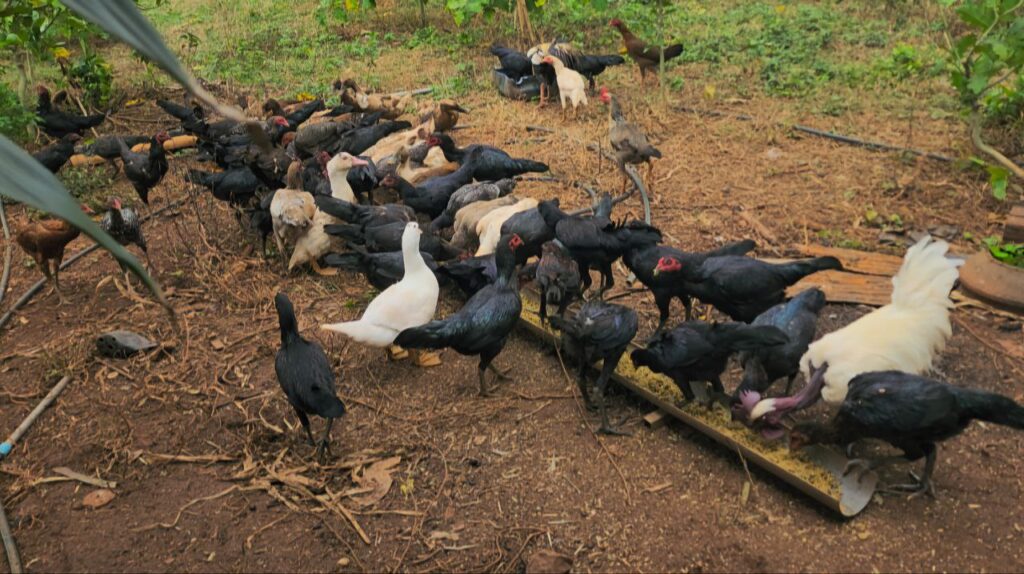
Raising healthy chickens requires more than just regular feed. Many farmers today are turning to natural fermentation methods to enhance both the nutrition and health of their flocks. One powerful option is a homemade fermented mixture using fresh fish, pineapple, molasses, and fermented fruit juice (FFJ). Here’s what you need to know.
Ingredients Used:
This mixture is left to ferment in a sealed container for several days to weeks, depending on your local climate and intended use.
What Happens During Fermentation?
Fermentation breaks down the proteins in fish into amino acids and peptides, enriches the mix with beneficial enzymes, and multiplies lactic acid bacteria. The result is a nutrient-dense liquid that smells similar to commercial fish sauce or canned fish — a sign of successful protein breakdown.
Nutritional and Health Benefits for Chickens:
1️⃣ Amino Acids and Peptides
These are essential building blocks for muscle growth, feather development, and overall health. They improve feed conversion and growth rates.
2️⃣ Omega-3 Fatty Acids
Supports immune health and improves meat and egg quality.
3️⃣ B Vitamins Complex
Boost metabolism, energy levels, and appetite stimulation.
4️⃣ Calcium and Vitamin D
Promotes strong bones and healthy eggshells.
5️⃣ Digestive Enzymes from Pineapple and Fermentation
Aid in digestion and help chickens better absorb nutrients from their feed.
6️⃣ Probiotic Effect
Lactic acid bacteria improve gut health, reducing the risk of infections and helping chickens resist stress.
7️⃣ Heat Stress Support
Vitamin C from pineapple and FFJ can help chickens cope with heat stress, common in tropical climates.
Recommended Usage:
In Drinking Water: 5–10 ml per liter of water
In Feed Mix: 100–200 ml per 10 kg of feed
Use 3–4 times a week
Always observe chickens for any digestive changes
Why Should You Consider Using This Fermented Mix?
Natural growth booster with no synthetic additives
Enhances immunity and reduces mortality risk
Improves digestion and reduces feed cost
Promotes healthier meat and egg production
Simple and affordable to make on the farm
Final Thoughts:
This fermented feed mix offers a practical, natural way to support the growth and health of your chickens. By incorporating this into your routine, you can create a healthier flock while reducing dependency on expensive commercial supplements.
Ready to give it a try? Start with small batches, monitor your chickens, and see the difference natural fermentation can make!