The Best Beneficial Bacteria for Composting — Boost Your Plant Growth Naturally
Are you looking for a natural way to improve your soil, boost plant health, and make your composting more effective? The secret lies in using beneficial bacteria that break down organic matter and release essential nutrients for plants.
In this guide, we’ll cover the top beneficial bacteria for composting and how they help your garden thrive.
Why Composting Bacteria Matter
Composting isn’t just about decomposing waste — it’s about creating a living soil amendment packed with nutrients and microbes that support healthy plant growth. Beneficial bacteria in compost:
Accelerate the breakdown of organic materials
Improve soil structure and fertility
Suppress harmful pathogens
Make nutrients easily available to plants
Top Beneficial Composting Bacteria
1️⃣ Lactic Acid Bacteria (Lactobacillus spp.)
Role: Break down organic matter, control bad microbes
Benefit: Provide essential nitrogen in plant-available form
Bonus Tip: Don’t Forget About Trichoderma!
Though it’s a fungus, Trichoderma works alongside compost bacteria to protect plants from root diseases and promote faster growth.
How to Boost Your Compost with Beneficial Bacteria
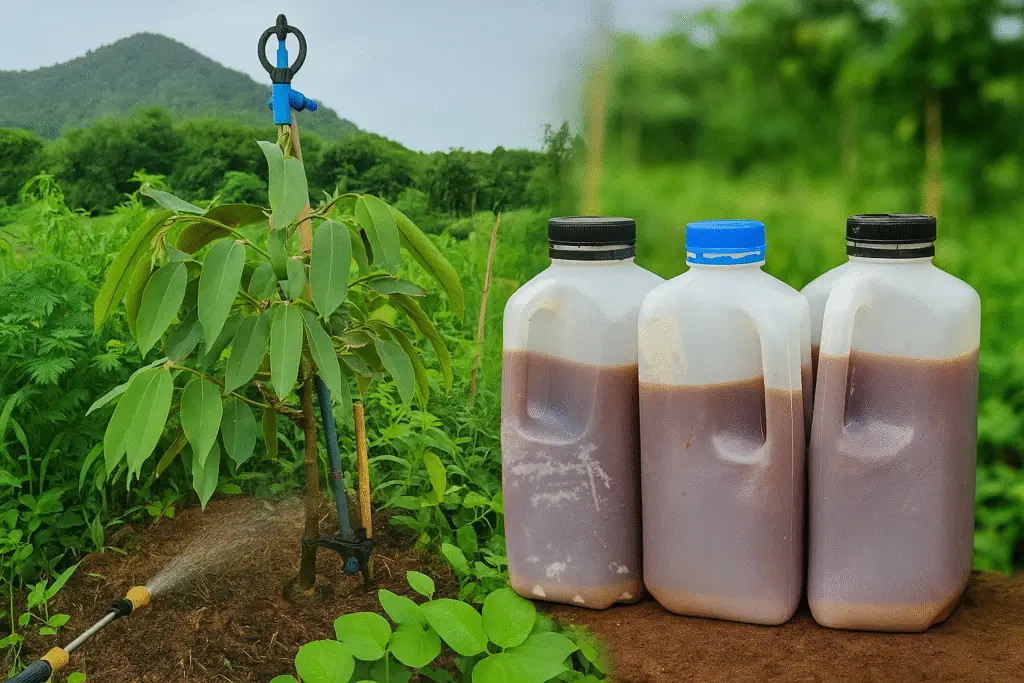
✅ Add fermented plant juice (FPJ) or fermented fruit juice (FFJ)
✅ Use lactic acid bacteria serum (LAB)
✅ Inoculate compost with EM (Effective Microorganisms)
✅ Maintain good aeration and moisture in your compost pile
Conclusion
Beneficial bacteria are the powerhouse behind healthy compost and thriving plants. By understanding which bacteria work best and how to encourage them, you can create richer compost, improve soil fertility, and grow stronger, healthier plants — all naturally.