Many experts say that raw chicken manure should never be applied directly to crops. But in real-world farming, especially with low-cost crops like cassava, practical experience sometimes proves otherwise. In this article, we explore why raw chicken manure—applied correctly—can be a cost-effective and successful fertilizer for cassava during the rainy season.
Why Raw Chicken Manure Is Controversial
Fresh chicken manure is high in nitrogen (mostly in the form of ammonia), salts, and can contain pathogens. Traditionally, it’s recommended to compost it first to avoid:
- Burning young plant roots
- Soil nitrogen overload
- Harmful microbial contamination
But while composting is ideal for sensitive or high-value crops like vegetables, the story changes when you look at cassava.
The Reality for Cassava Farmers
🌱 Cassava is a Hardy, Low-Input Crop
Cassava tolerates nutrient stress better than many other crops. Its root system is deep, and its growth cycle is long, allowing it to handle slow nutrient release and mild nitrogen fluctuations.
💩 Composting Adds Cost and Labor
For many farmers, composting takes space, time, and labor—resources that don’t always make sense for a low-price crop like cassava. If you’re selling by the ton at low margins, every extra step cuts into your profit.
🌧️ Rainy Season Is the Perfect Ally
During the rainy season, conditions naturally help break down raw chicken manure:
- Moisture dilutes ammonia and reduces root burn risk
- Bacteria in wet soil accelerate decomposition
- Rainwater carries nutrients to cassava roots
Our Method: How We Apply Raw Chicken Manure to Cassava
Here’s how we successfully apply fresh chicken manure in our field at AgriBuzz:
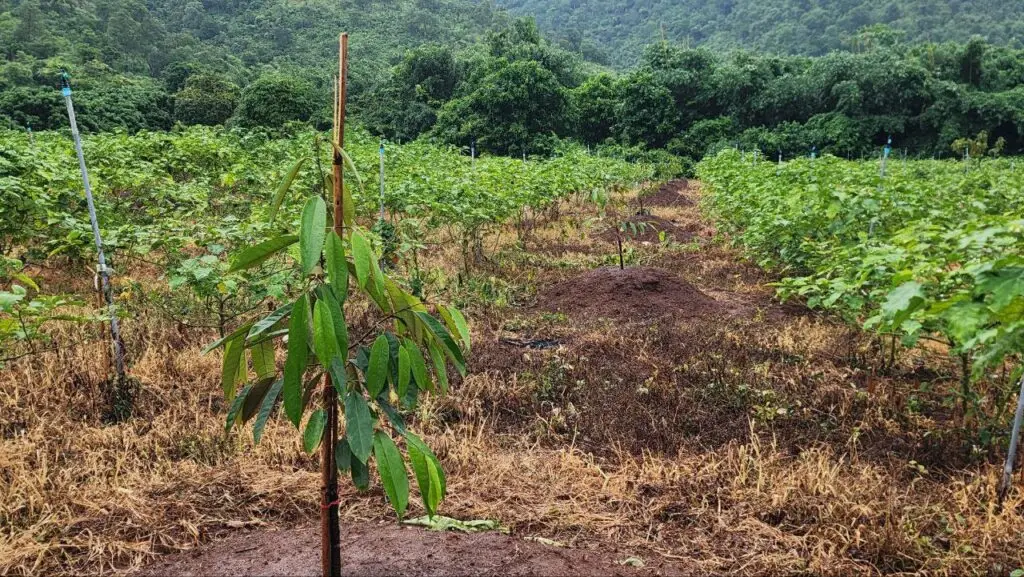
- Cassava is 50 days old and actively growing.
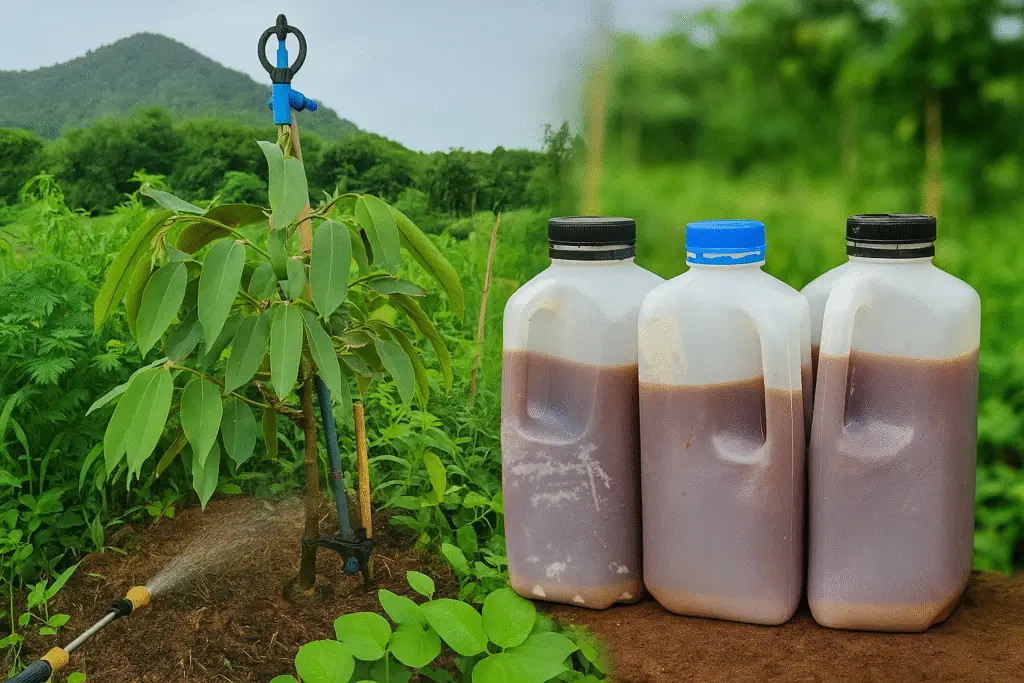
- We apply a small handful of raw chicken manure around the base of each plant, not directly on the stem.
- We apply it just before rain or irrigation, so nutrients are carried into the soil gently.
- No composting, no turning pile—just direct smart-use in the field.
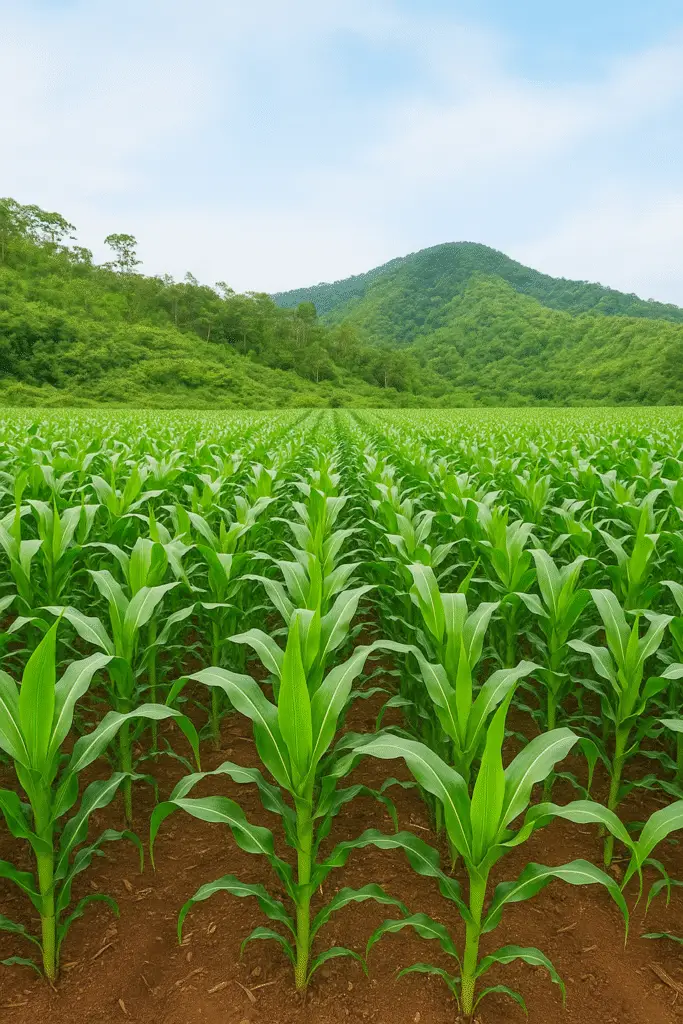
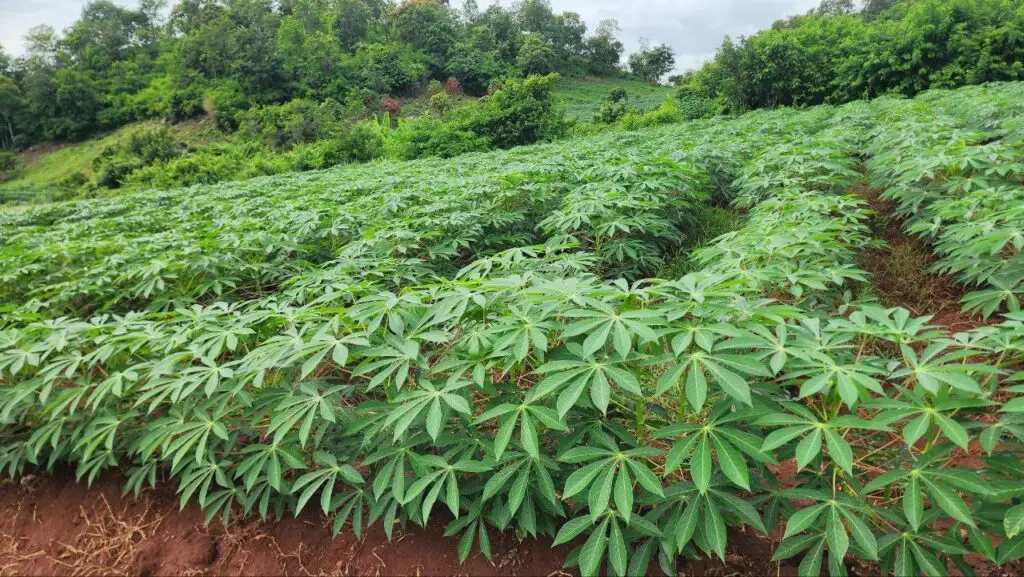
The result? Lush, green leaves, strong growth, and no burning or stress. This proves cassava can safely handle raw manure if applied carefully and seasonally.
Field Results: Green Growth with Low Input
We’ve seen rapid leaf development and consistent growth using this method. The cassava absorbs ammonia quickly, while the rest of the nutrients are released slowly over time. This mimics slow-release fertilizer behavior, without the added cost.
Theoretical vs Practical: Finding the Balance
| Theory | Farmer Reality |
|---|---|
| Always compost manure before use | For hardy crops like cassava, small raw doses work fine |
| Risk of burning or ammonia toxicity | Rain dilutes ammonia and feeds the plant safely |
| Labor needed for composting | Direct use saves time, labor, and cost |
Conclusion: Use What Works, Not Just What’s Taught
If you’re growing cassava during the rainy season and looking to cut input costs, try applying raw chicken manure the right way. This isn’t just a shortcut—it’s a smart, field-tested method that works in practice, especially for smallholder farmers. Let the crop and the season guide your methods, not just the textbook.
🎥 Watch Our Field Demonstration
Want to see this method in action? Watch our video on YouTube and follow us on TikTok and Facebook for more real-world farming tips: @AgriBuzz.